
When Power Becomes Personal: Narendra Modi and India’s Future
Narendra Modi has dominated Indian politics for more than a decade, reshaping the country’s governance, diplomacy, and party system around his personal authority. Since 2014, he has built the Bharatiya Janata Party (BJP) into a machine centered on his leadership, linked welfare and infrastructure programs directly to his image, and positioned himself as the face of India on the global stage.
Bharatiya Abroad | Edited by Dr Arvind Dube | Updated: September 30, 2025 8:08 am UTC
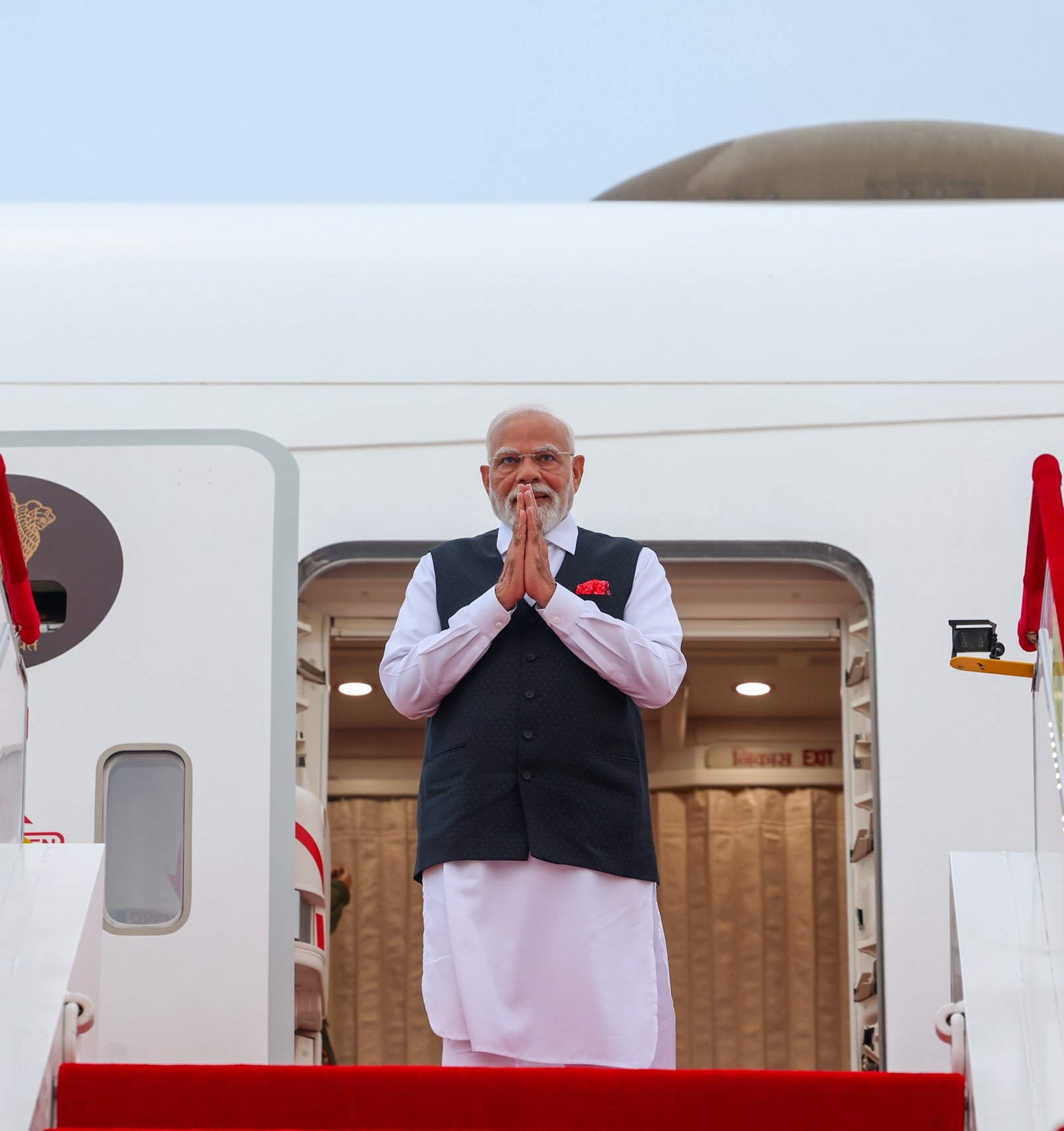
Narendra Modi has dominated Indian politics for more than a decade, reshaping the country’s governance, diplomacy, and party system around his personal authority. Since 2014, he has built the Bharatiya Janata Party (BJP) into a machine centered on his leadership, linked welfare and infrastructure programs directly to his image, and positioned himself as the face of India on the global stage.
Modi’s tenure has delivered stability and decisiveness in ways that appeal to many voters. Yet the same centralization of power that strengthens India in the short term raises critical questions about institutional resilience, federal balance, and the long-term health of its democracy.
The Modi model
Political life in India today is unmistakably personalized. Electoral campaigns revolve around Modi’s persona. Signature schemes — from Pradhan Mantri Awas Yojana (housing) to Ayushman Bharat (healthcare) — bear the “Prime Minister” label, reinforcing the perception that benefits flow directly from the leader. Internationally, Modi’s visibility is constant: images of him alongside world leaders serve as both diplomacy and domestic political messaging.
Within the BJP, Modi’s authority is absolute. State leaders and party veterans defer to the central command, and internal debate has largely faded. In Parliament, landmark measures such as the 2016 demonetization, the 2020 farm laws, and sweeping constitutional changes have been advanced with limited consultation or scrutiny. Critics argue that dissent has been sidelined, leaving governance heavily dependent on one individual’s decisions.
Achievements and vulnerabilities
The strengths of this model are evident. Modi has delivered political stability to a system once characterized by coalition fragility. Welfare schemes and infrastructure initiatives have expanded rapidly, with central accountability ensuring visibility and reach. On the global stage, India has gained new prominence: its G20 presidency symbolized growing clout, and Modi’s government has positioned India as both a counterweight to China and a voice for the Global South.
But vulnerabilities are equally visible. The abrupt demonetization disrupted the economy without achieving its stated objectives. The nationwide COVID-19 lockdown, announced with only a few hours’ notice, left millions of workers stranded. The farm laws triggered mass protests that forced a rare government reversal. These episodes revealed how policy rigidity — a hallmark of centralized decision-making — can amplify risks when dissenting voices are muted.
India’s federal compact has also come under strain. Opposition-led states complain of fiscal pressure, administrative overreach, and political use of investigative agencies. What is framed in New Delhi as decisive governance is often perceived by regional governments as encroachment on their autonomy.
Echoes of history
India’s experience with centralized authority is not without precedent. The Emergency of 1975–77 under Indira Gandhi remains the sharpest example: civil liberties suspended, the press censored, institutions hollowed out. Modi’s government has not taken such extreme measures; elections remain competitive, courts continue to function, and a vigorous media still debates government policy.
Yet the parallels are enough to raise concern. The lesson of the Emergency was clear: when institutions bend too easily before one leader, democratic safeguards are put at risk. Modi’s India is not the Emergency, but it is a system in which power has grown increasingly personal.
The global pattern
Modi’s rise cannot be seen in isolation. Around the world, leaders who centralize power have followed a familiar trajectory: promising decisive leadership, sidelining institutions, and cultivating personal loyalty at the expense of collective governance.
- China: Xi Jinping dismantled the system of collective leadership built after Mao, abolished term limits, and positioned himself as “emperor for life.” His rigid policies, especially zero-COVID, revealed how centralization can lead to costly miscalculations.
- Russia: Vladimir Putin has extended his rule through constitutional manipulation and repression of dissent. Once praised for restoring order, his personalist system has now dragged Russia into war and international isolation.
- Turkey: Recep Tayyip Erdoğan consolidated authority by weakening the judiciary, rewriting constitutional rules, and extending his control over the media. Economic instability and democratic backsliding have followed.
- Hungary and beyond: Viktor Orbán in Hungary, Jair Bolsonaro in Brazil (until 2022), and even Donald Trump’s political style in the United States show how “strongman politics” has become a global trend.
The lessons are striking. Strongman systems appear stable because they silence dissent, but this stability is deceptive. Without institutional checks, leaders face limited feedback, which increases the risk of policy mistakes. When errors occur — whether economic, military, or social — they spread quickly and are harder to reverse.
India is not China or Russia; its democratic framework remains far more resilient. But the parallels highlight a warning: if India drifts too far into a personalized power model, it risks the same brittleness that now troubles other strongman regimes.
The succession dilemma
Elections will ultimately decide Modi’s future, but his dominance raises questions within his own party. The BJP’s identity has become so closely tied to Modi that leadership renewal appears uncertain. Who would succeed him when the time comes? Can a party so closely tied to Modi’s image transition smoothly to another leader?
Democracies rely on multiple centers of power: robust state governments, independent courts, a free press, and active opposition. If these weaken, even electoral systems can struggle to guarantee stability. Succession then becomes not just a political challenge but a systemic risk.
Why today matters
Modi’s governing model thrives on performance and projection: the launch of indigenous 4G networks in insurgent regions, direct transfers of subsidies to women in election-bound states, or symbolic cultural campaigns tied to heritage and identity. But these initiatives also deepen central authority in India’s social, economic, and constitutional frameworks.
Behind the spectacle, tensions are rising. Legal battles over digital censorship, opposition challenges to constitutional amendments, and growing federal disputes show how heavily India’s political system now leans on Modi’s personal authority. Each misstep or unforeseen crisis exposes the brittleness of such dependence.
The paradox is clear. Strength is visible on the surface, but the foundations of Indian democracy are under strain. In 2025, those foundations are being tested — and the outcome will shape not only Modi’s legacy but the trajectory of the republic itself.